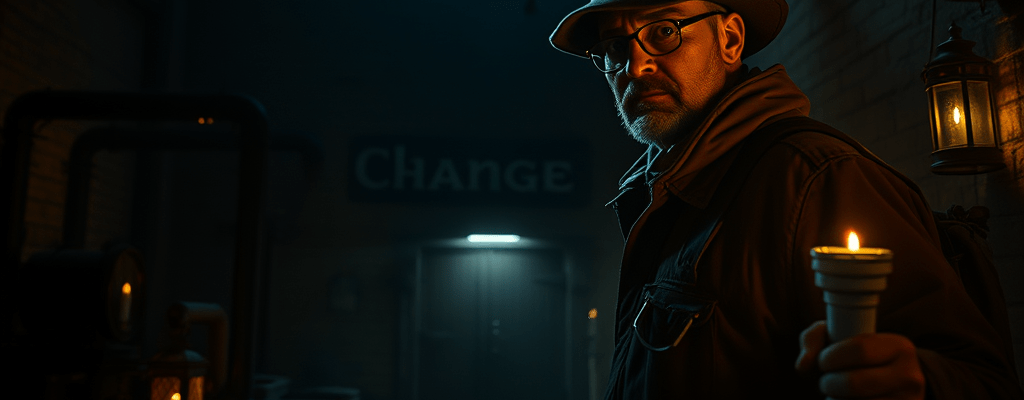
The night air had just begun to turn crisp when I arrived at the Royal Gunpowder Mills in Waltham Abbey on the 13th of September 2025. The Mills are a place of legend — an industrial labyrinth where, for over three centuries, men and women worked with dangerous powders and volatile chemicals. Gunpowder, cordite, nitro-glycerine, even rocket propellants: if it could explode, chances are it was tested or milled there.
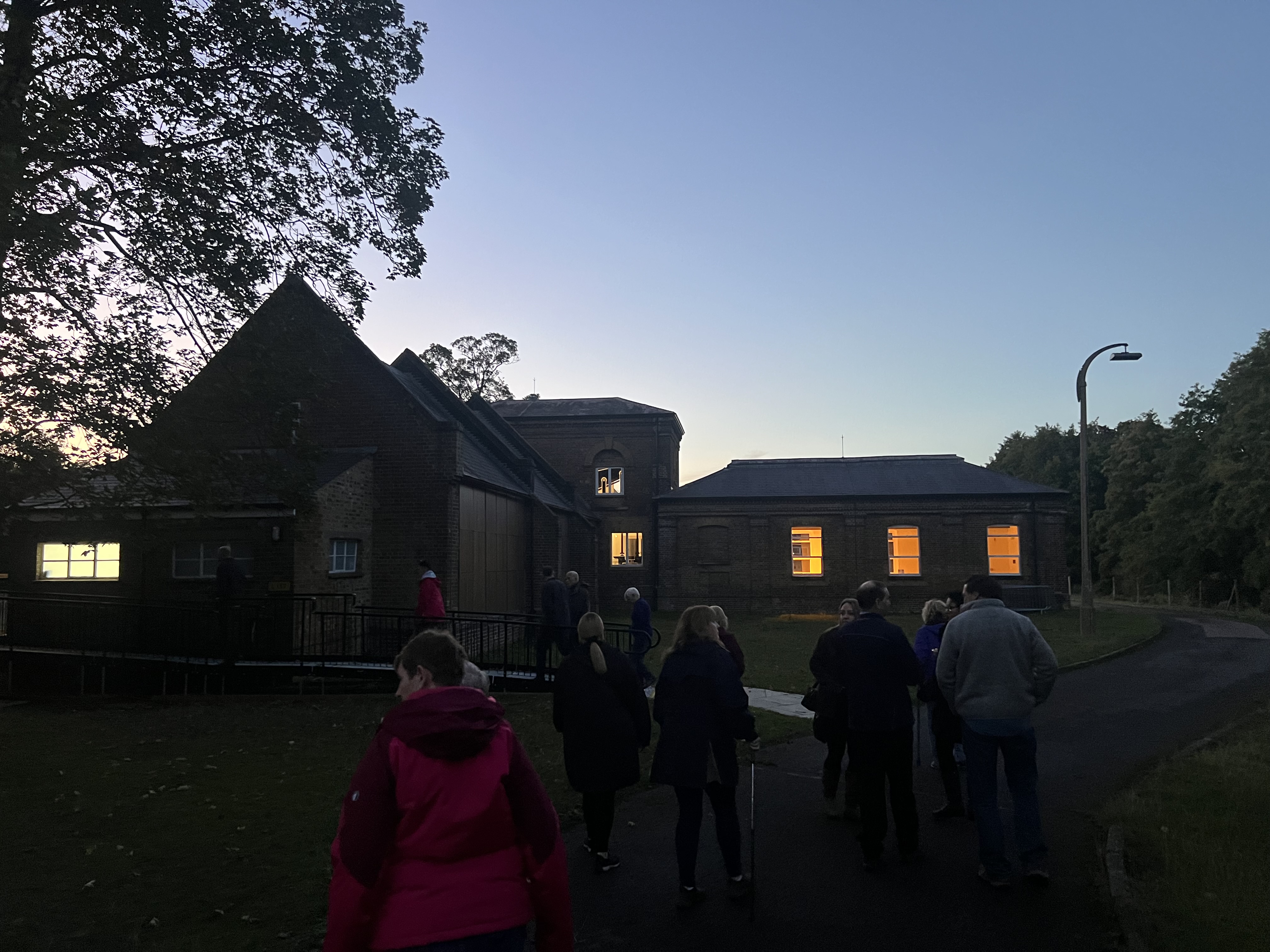
As I sat in the on-site cafe, waiting for everyone to arrive, I couldn’t help but feel the weight of history. Hundreds of lives had passed through these grounds; some of them cut short by the very materials that gave Britain its military edge. It’s no wonder the place has a reputation for being haunted.
I was joined shortly after my own arrival by my teammates Jan, Beth (Access Paranormal), and Fran — seasoned investigators, each with their own ways of sensing and interpreting what lies beyond the ordinary. Together we set out to peel back the layers of silence, shadow, and memory that cling to the Mills.
The Mill on the Mead – silence and whispers
Our first stop was to be the Mill on the Mead, a building filled with rooms where explosives were once ground and prepared. I picked a chamber with the word “Change” painted starkly on the wall, whilst the rest of the team spread out in their own rooms too.
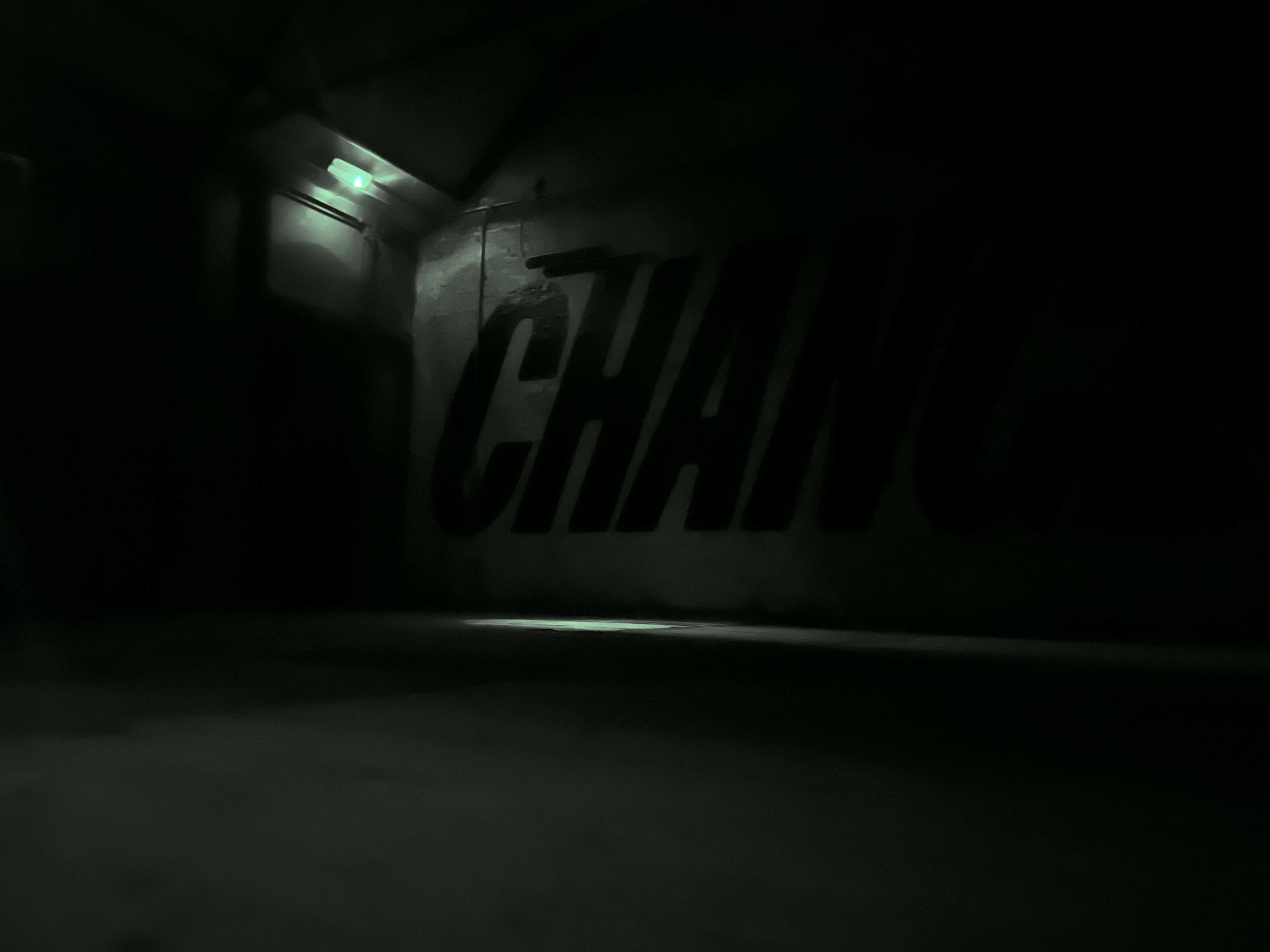
It was a curious space. Even with the doors closed, the hum of the road bled through, while owls screeched and foxes made themselves known outside. Yet once those sounds faded, the silence inside became heavy, almost unnatural. Dust covered the floor, and the old underfloor machinery sat like relics of a forgotten age.
I stood in the far corner, breathing slowly, and tried something different: a psychic EVP session. Instead of speaking questions aloud, I asked them silently — “Is anyone here? Can you make a noise?” The method felt intimate, as though the silence itself might respond. Nothing stirred, but there was an eerie sense that the building’s history had left an imprint. This was a place where weapons of war had been made, where accidents had claimed lives. Sometimes you don’t need voices; the atmosphere says enough.
Whilst the room certainly had a dark character about it, as I stood there waiting sometimes daring for activity to occur, my eyes adjusted; dark became a low level of light and I knew it may be time to move locations.
Hall, stage, and Dr Uri’s Lab – a presence named
Around 9pm we gathered in the hall, its stage looming like an abandoned theatre. Jan saw a light move toward the outbuildings whilst I was alone in the other room. Beth thought it might have been me. Fran, though, claimed she saw a whole figure heading out. If the other group had remained inside, then who — or what — had walked past?
Later, Jan and Fran told me they’d seen coloured lights in the building we would be heading to next — like a disco flickering across the walls. Another group in the building at the time denied seeing anything. Contradictory witness accounts are the bread and butter of investigation, but when the claims come from trusted colleagues, it makes you pause.
We pressed on to the far end of the block, to Dr Uri’s Lab. It was here Jan felt suddenly nauseous, while Fran connected strongly with a presence. She described him in vivid detail: tall, over six foot, dark hair, bushy moustache, heavy boots held up by braces, shirt with a vest beneath. He seemed industrious, intent on completing some unseen task.
Names surfaced too — Jan heard “Fred,” Fran “Cooper.” Whether drawn from subconscious memory or something more, the description fitted the profile of the mill workers who once toiled here. Cross-checking archives may yet tell us if a Fred Cooper walked these halls.
The Sphinx Room – shifting moods
The Sphinx Room (L167) had already been the location for Jans “disco lights.” When we entered around 10:30, the atmosphere shifted again. Jan felt uncomfortably hot, while Fran said that she was cold to the touch. Moments later Jan reported feeling tipsy, as if she’d had a drink.
We heard noises too: an animal cry that Fran heard twice, and what Jan thought might have been a faint “hello.” Rationally, foxes and owls can explain much. But in that moment — in that darkness — the mind wants to fill the gaps with voices.
The Rocket Room lights – communication or coincidence?
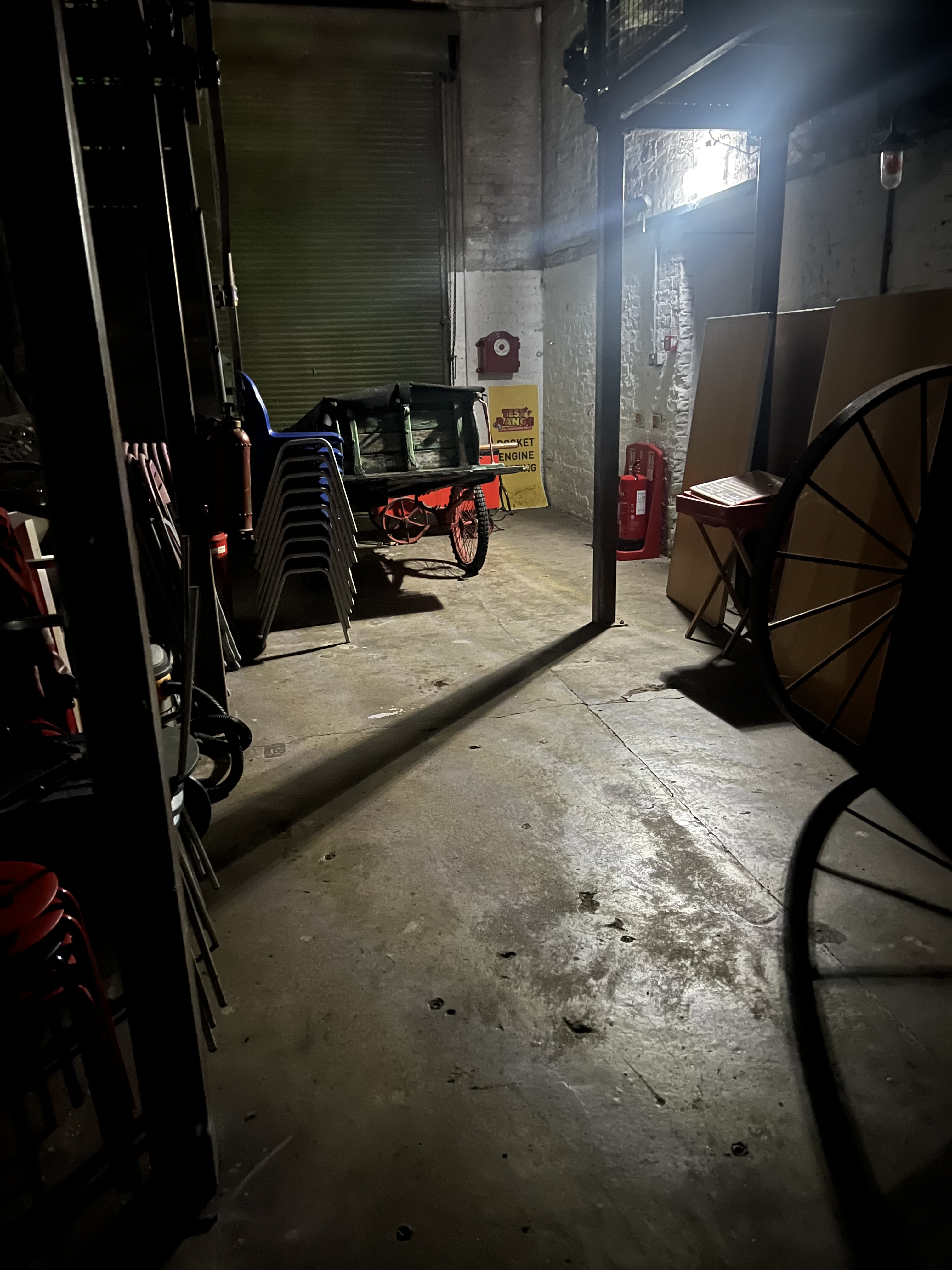
Near midnight we moved into the Rocket Room and its neighbour, the MadLab. At first nothing. Then, suddenly, a high-mounted light began flashing on and off, seemingly at random.
I checked my watch and began to log the timings: 00:03, flash. 00:14, silence. 00:26, three flashes. Sometimes it stayed on for thirty seconds, other times a single blink. We tried communication: one flash for “yes,” two for “no.” The responses were inconsistent, but tantalising. Were we talking to a spirit… or a faulty sensor?
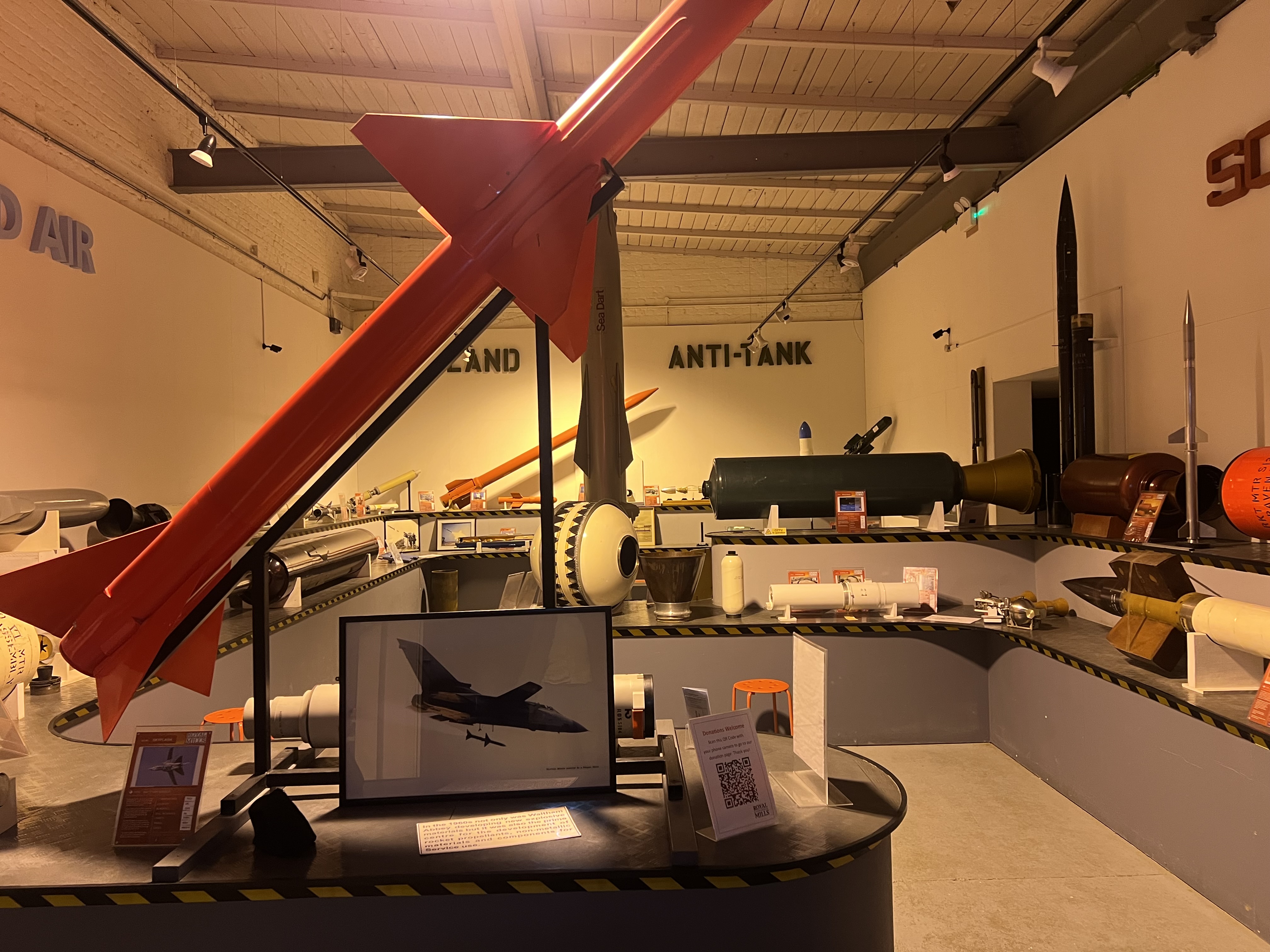
Later, staff told us other groups had reported the same flashing lights that night. Faulty wiring, a dodgy battery, or a motion sensor triggered by insects all remain plausible. But when you’re standing in the dark, history pressing in on you, a flickering light feels more like Morse code from the past.
Documented accidents and tragedies
To understand why the Mills carry such a heavy atmosphere, you have to look at their history of accidents. Working with gunpowder and cordite was dangerous, and the site has recorded numerous fatal incidents.
- 1843: A series of explosions ripped through several mills, killing seven workers and injuring many more. The cause was believed to be friction during powder grinding.
- 1861: Another catastrophic blast took the lives of workers in the corning house — a building used to press and granulate powder. Newspaper accounts of the time spoke of shattered windows miles away.
- 1894: An explosion in the press house killed two men outright and left others badly injured. Again, the cause was attributed to the volatility of handling powder under pressure.
- WWI era: Female munitions workers — known as “powder girls” — faced daily risks. Chemical exposure left many sick, and accidental blasts occasionally claimed lives.
- 1940s: During the war years, a series of small fires and explosions occurred while the site transitioned into rocket propellant and explosives research. Though less publicised, accidents did happen, and some were quietly recorded in Ministry of Supply files.
These weren’t isolated events. For generations, workers accepted that an accident could happen at any time. Whole families lived in fear of the distant boom signalling tragedy. When you walk the site at night, those echoes feel close. Perhaps what we interpret as presences are imprints of lives cut short in violent seconds, what some may consider to be the Stone Tape Theory in action.
The Offices and the Museum – anger and echoes
Past 1am we entered the old offices. In one ground-floor meeting room, Fran felt a wave of anger — shouts, chaos, the energy of crisis. Knocks followed: on doors, outside walls, even a dull thud that had all of us turning. But the rational explanation soon came: a staff member had been upstairs. Sometimes during a Ghost Hunt you may actually get exactly what you are looking for, but it is important to remember that if it seems too good to be true, then it certainly may be. It is best to keep a level head and seek out potential logical explanations before resting on a paranormal possibility.
By 1:38am we called it. The Mills had given us plenty — not always proof of ghosts, but proof of atmosphere. Sometimes as an investigator, you can tell when a Ghost Hunt has reached its end; then it is time to head back to the base camp for a well deserved coffee.
Weather and wildlife – the backdrop of the night
It’s worth remembering that investigation doesn’t happen in a vacuum. The weather that evening was cool, between 12–17 °C, with still air that carried sound clearly. Perfect conditions for wildlife: foxes barked, owls screeched, and every cry outside could easily be mistaken by someone human inside as something more than what it was.
That chill also exaggerates sensations. A cool draft becomes a “cold spot.” Still air makes silence feel oppressive. Shadows stand out sharper. All of this creates fertile ground for experiences that feel otherworldly.
Theories – sorting sparks from shadows
So how do we interpret the night?
- Flashing lights: Most likely a faulty motion sensor or wiring issue, but repeat reports make this worth controlled testing.
- Figure in the hall: Could easily have been another person, or a trick of low light. Needs corroboration.
- Temperature shifts: Drafts, uneven insulation, or even mild carbon monoxide build-up are all plausible. Detectors on the next visit will help.
- Knocks and thuds: Explained by staff upstairs — a reminder that ruling out is as important as ruling in.
- Fran’s contact (Fred/Cooper): Could be subconscious imagery or a genuine link. Archive checks are the way forward.
- Museum sensations: Group contagion, expectation, or something more? Harder to explain, and exactly why it’s worth returning.
Final thoughts – why places like this matter
The Royal Gunpowder Mills is more than bricks and mortar. It is a place where history and human sacrifice linger in the air. Standing in the silent mills or beneath the flickering lights of the Rocket Room, you can feel that history pressing close.
As investigators, we walk the line between explanation and mystery. Wildlife, faulty lights, and staff activity accounted for much of our night. Yet a handful of moments — the coloured lights, the detailed apparition, the echoes in the museum — resist easy answers.
For me, that’s the heart of the work. Not chasing ghosts for thrills, but engaging with history, atmosphere, and human experience. The Mills will draw me back. And next time, I’ll bring not just curiosity, but more tools — CO detectors, thermal loggers, and archive notes — to see if shadows can be separated from sparks.

 Ashley Knibb