
At this year’s Festival of the Unexplained, I had the chance to sit in on a talk that genuinely caught my attention. It was given by Gemma from Junior Paranormal Events (JPE), a UK-based organisation working with young people aged 9 to 17, introducing them to the world of paranormal investigation, but the right way.
It was one of those moments where you realise something important is happening just under the radar. While much of the paranormal world seems focused on growing YouTube channels or chasing clicks, here was a group dedicated to education, responsibility, and curiosity; three words not often associated with the modern ghost-hunting scene.
After Gemma’s talk, we spoke more about what JPE do and the thinking behind it. Since then, we’ve continued that conversation; exchanging ideas, discussing methods, and exploring what it means to teach young people how to investigate the unexplained in a way that’s respectful, evidence-based, and thoughtful. And honestly, it’s been refreshing.
Teaching the Paranormal — Not the Performance
The paranormal field has always had an uneasy relationship with the public eye. As the internet and social media grew, so did the number of self-styled investigators, influencers, and “experts” eager to turn every investigation into a piece of entertainment. Some of it can be fun, but a lot of it has drifted far from what real investigation should be about: understanding and inquiry, not theatrics.
That’s what makes Junior Paranormal Events stand out. Their approach isn’t about producing reactions or chasing views; it’s about helping young people understand how to question what they see, hear, and feel. They encourage curiosity but also critical thinking; teaching kids and teens to look for rational explanations before jumping to conclusions.
This, to me, is the heart of good paranormal research. You need to stay open-minded but grounded. JPE’s ethos reflects exactly that balance. They show their participants that the unknown doesn’t have to be feared or sensationalised. It can be studied, explored, and respected, just like any other area of research.
The Question of Involving Young People
Of course, not everyone has been entirely comfortable with the idea of young people investigating the paranormal. Over the years, there’s been a lot of debate; and sometimes even outrage over the idea of allowing under-18s into “haunted” locations.
Some of that concern is understandable. The paranormal is, by its very nature, tied to things unseen and unknown. There are worries about psychological impact; fear, suggestion, or simply exposure to something that could feel overwhelming. Others argue about the ethical and safety aspects, saying these are environments best left to adults who can assess risk more clearly.

But what’s interesting and what JPE seems to recognise is that much of that worry is built on belief rather than evidence. If you take the paranormal seriously as a subject of research, then you have to acknowledge that we’re dealing with something unproven. That means our fears about “exposing children to danger” are themselves rooted in the same belief systems we’re studying.
JPE doesn’t ignore those sensitivities; they manage them intelligently. They provide structured, supervised environments. The focus is not on provoking spirits or running around in the dark; it’s on learning. They teach proper methodology from understanding environmental factors to documenting findings responsibly. It’s a measured, mature way to introduce young people to a field that’s too often portrayed as chaotic and reckless.
I find that refreshing. Rather than pushing them into spooky situations, they’re teaching awareness and discipline qualities that benefit far more than just paranormal work.
Building Passion and Perspective
It’s easy to forget that for many of us, our interest in the paranormal started young. A strange sound in an old house, a family story about a haunted lane, a film that stuck with us. Curiosity about what lies beyond the obvious world often begins in childhood.
The difference now is that young people are growing up in a digital landscape flooded with paranormal content; much of it exaggerated or misleading. They can watch hundreds of videos where every creak is a ghost and every shadow is evidence of something otherworldly. Without context, that shapes how they understand the field.
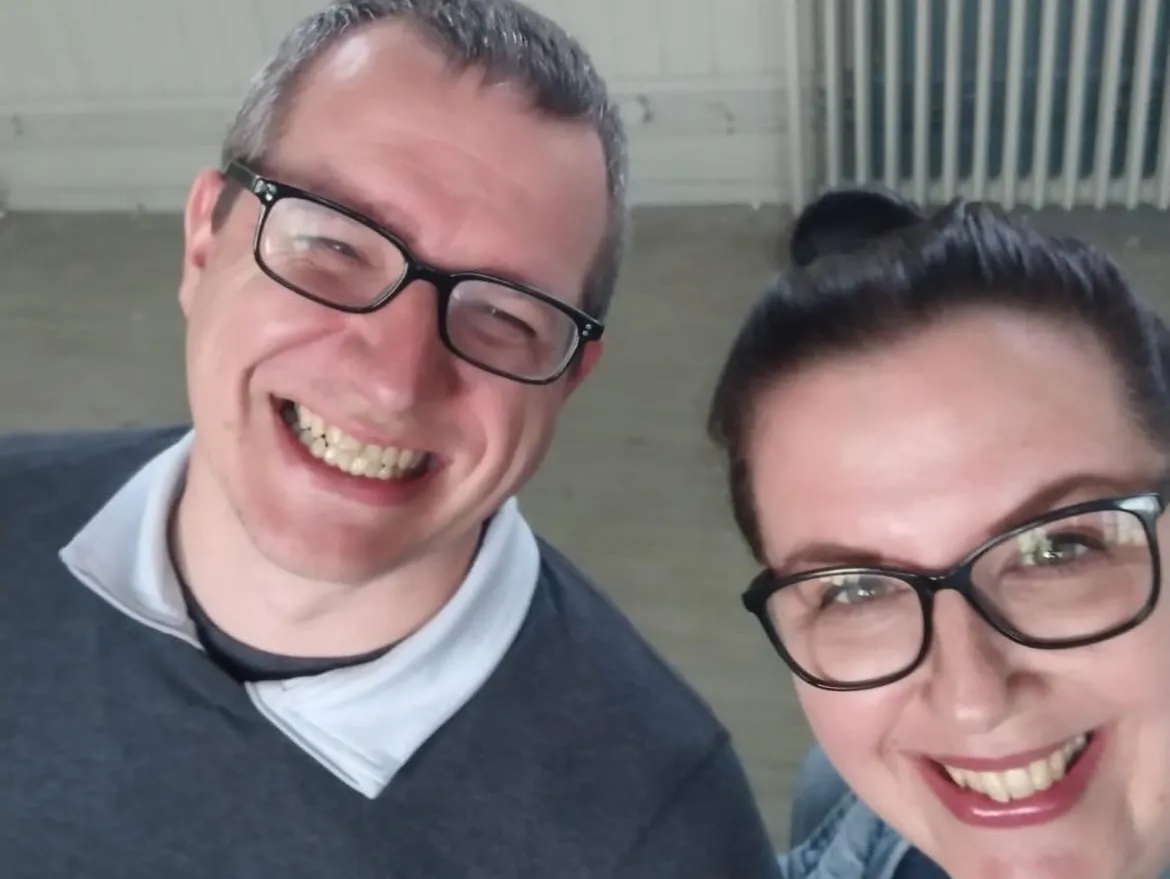
That’s why what JPE are doing feels so important. They’re giving kids and teens a framework for that curiosity; one grounded in research, history, and logic. They’re showing that the paranormal isn’t about jumping at shadows but asking the right questions.
From what I’ve seen and heard from Gemma and the team, their sessions cover everything from research techniques and location history to using equipment responsibly. They talk about respect for sites and their stories, something that’s too often overlooked in modern investigation culture. It’s about being methodical, ethical, and informed qualities any serious investigator should aspire to.
And the best part? The young people seem to love it. They’re not just learning how to “hunt ghosts”; they’re learning how to think critically, how to work as a team, and how to separate fact from fiction. That’s an invaluable skill set in today’s world both inside and outside the paranormal field.
From Curiosity to Collaboration
Since the festival, I’ve continued talking with JPE about their work and how it might be possible to join them on an investigation at some point; not just to observe, but to really understand how they run things. I’m genuinely curious to see their approach in practice, because from everything I’ve learned so far, their ethos seems spot-on.
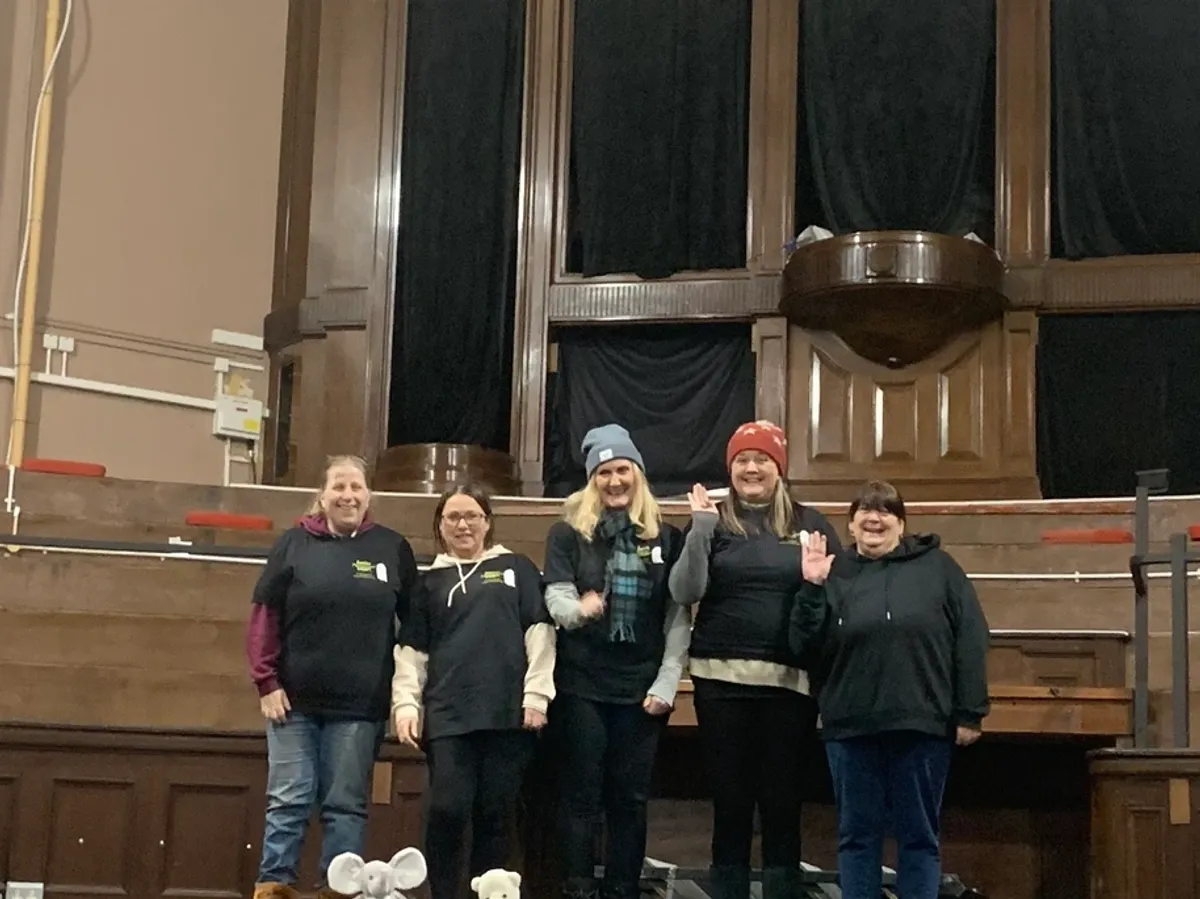
What I particularly admire is how community-driven their work is. It’s not about competing or gatekeeping; it’s about sharing knowledge. They’re creating a space where young people can learn safely, express their curiosity, and take part in something that’s both fun and intellectually engaging.
It’s easy for seasoned investigators to get caught up in the seriousness of our work, the protocols, the skepticism, the long nights of data review. But seeing that spark of wonder in a younger generation reminds me why I started exploring the paranormal in the first place. There’s a certain joy in the unknown that’s worth preserving and JPE seems to understand that better than most.
The Balance Between Belief and Responsibility
There’s always a fine line between belief and responsibility in the paranormal field. We deal with subjects that sit on the edge of science, history, and human experience. It’s a complex space where belief plays a huge role, but so does discipline.
What’s impressive about JPE is how they navigate that balance. They don’t dismiss belief they respect it, but they also emphasise evidence. They show that it’s possible to be open to the possibility of something unexplained while still applying rational investigation methods. That’s a difficult balance even for adults to maintain, let alone younger people.
In a way, they’re teaching something far bigger than just paranormal investigation. They’re teaching critical thinking in a world of noise. They’re showing how to question what we’re told, how to look deeper, and how to draw conclusions based on experience rather than emotion. That’s an essential skill, especially in a time when so much online content thrives on instant reactions and sensational claims.
Why It Matters
If we want the paranormal field to continue evolving; to move beyond entertainment and into something more respected, it has to start with education. Groups like Junior Paranormal Events are planting those seeds early. They’re showing that the next generation doesn’t have to inherit the same old habits of chasing thrills or copying TV shows.
Instead, they can inherit a sense of discipline, curiosity, and respect. They can learn that the real excitement comes from discovery, from piecing together clues, from understanding the history of a place or the psychology behind experiences.
And honestly, that gives me hope for the future of this field. Because if young people can grow up seeing the paranormal as a legitimate area of study, one that deserves careful thought and real effort then maybe we can move closer to the kind of investigation that truly honours both science and spirit.
Closing Thoughts
Meeting Gemma and learning about Junior Paranormal Events reminded me why I’ve always been drawn to the idea of exploration, not just of haunted places, but of ideas themselves. There’s something powerful about seeing curiosity passed on the right way.
Involving young people in the paranormal has always been a divisive topic, but perhaps it’s time we looked at it differently. When done responsibly with structure, safety, and integrity it can be a force for learning and inspiration, not fear.
The paranormal has always been about questioning what we think we know. JPE are helping young people do exactly that, not through imitation or hype, but through understanding. And that, in my view, is exactly the kind of work that deserves our support.
I’m looking forward to seeing where their journey goes next and hopefully joining them on an investigation soon to see that ethos in action. If their approach in person is anything like their philosophy, I’ve no doubt it’ll be something special.
Learn More
You can find out more about Junior Paranormal Events, their upcoming workshops, and how they’re helping young people explore the unexplained responsibly at:
👉 Junior Paranormal Events Official Website
👉 Follow them on Facebook: @JuniorParanormalEvents
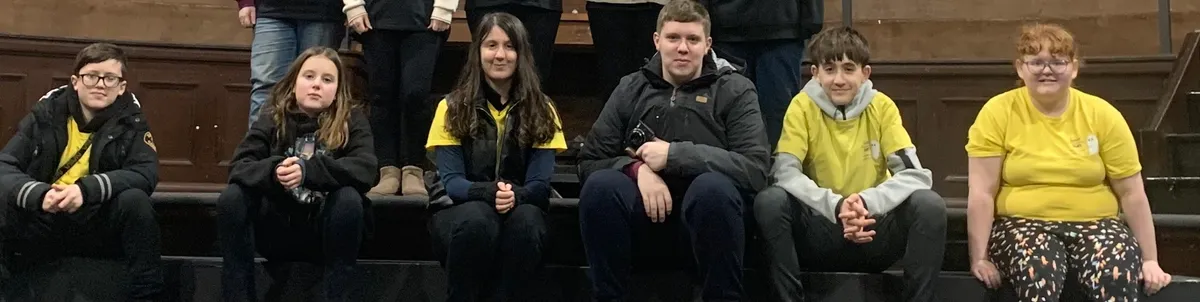

 Ashley Knibb